

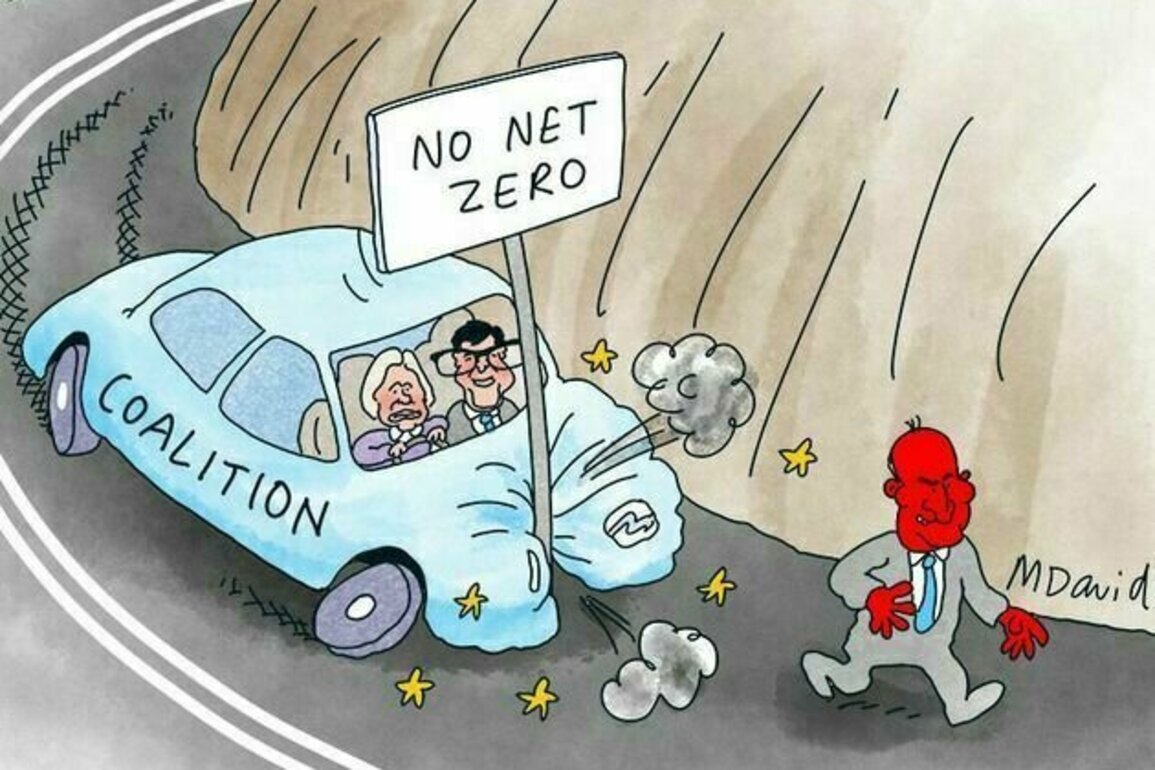
BarnabyJoyce'streacherous attempts to repeal the net-zero target dismiss realities that future generations face.Aatif Syedwrites.
WITH ACTION ONclimate changefeaturing as one of the top issues for young voters at each of the last two federal elections, the Coalition's internal climate wars areperplexing. In light of the election results, they would do well to face the facts on climate change. Starting with the scientific reality that global temperatures are rising.
The scientific reality: global temperatures are rising
Over the last century, with the increase of human activity, in the post-IndustrialRevolution, global temperatures have risenby approximately 0.85C. This has resulted in an enhanced greenhouse effect, where too much heat is being trapped, causing temperatures to continue to rise.
The latest Intergovernmental Panel on Climate Change (IPCC)report statesthat global air temperatures are now 1.09C above the 1850-1900 pre-industrial baseline, and the rate of sea level rise has doubled since 1993. The Australian reality is that our temperatures have already risen by1.51Cfrom 1910 to 2023; the same numberthat theUnited Nations'Paris Agreementcommitted its signatories to decreaseglobal average temperatures by.
Royal commission now: The case against Albaneses environmental recordA damning FOI investigation reveals the Albanese Governments deliberate efforts to undermine environmental protections, sparking urgent calls for a royal commission.
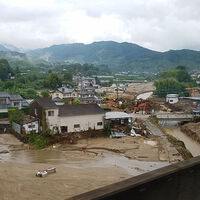
Global warming has notjust occurredbycoincidence or as part of some natural cycle. The science is clear, and its impacts are leading toextreme weather patternsthat are disrupting human livelihoods, key infrastructure, driving displacement and emerging as a key national security threat. We only need to look to theBlack Summer Fires,Northern NSW floods,and Tropical CyclonesAlfredandJasperfor pertinent examples.
Net zero isnt a radical concept its the bare minimum
The fundamental concept of net zero is the balancing of greenhouse gases emitted into the atmosphere by the removal of emissions out of the atmosphere.IPCCreports continually stress that the damage climate change is doingcould become so irreversible that eventually Earth isunable to sustain conditions for human life and other species, particularlyif global temperatures exceed 2C. Given that Australia has already warmed 1.5C, limitingfurther increasesto our temperatures is critical for the well-being, culture and economic certainty of future generations.
The pursuit of net-zero commitmentspledged through theParis Agreementhasbeenaccepted by over 140 countries, including our allies in the UK, European Union and our largest trading partner, China. The scale of the challenge is such that current modelling shows Labors legislated targets of43 per centemissionscut by 2030 will fall well short of the desired68 per centreductionthat environmentalscience demands.
To entertain the idea of reversing our environmental commitmentsis not only unprecedented in an OECD nation, but a radical idea in isolating us diplomatically and economically at a time when global partnerships are key to coordinating climate resilience, energy transition, and trade alignment. The Coalitions push torepealnet zero altogether moves us backwardsin a decade where urgency is non-negotiable.
Drinking in a dried out Lake BolacA local boy ponders the riddle of the diminished shoreline at Lake Bolac, an inland lake in the Western District region of Victoria.
Climate change impacts regional andrural communities disproportionately
Our rural and regional communities are on the frontline of climate change impacts, with extreme weather events such as bushfires and floods over the last decade disproportionately impacting their livelihoods. Whilst regional and rural communities are diverse in their characteristics, agriculture remains a key economic foundation for their prosperity. TheClimate Council of Australiahas stated that widespread impacts to this sector may include decreased crop growth capacity and faltering productivity gains.
It should also be stated that the impacts of simultaneous extreme weather events in regional communities aresuch that many agricultural businesses are at a tipping point, having to use their savings or take on debt to stay afloat.Long-term modellingpredicts permanent shifts such as decreased water availability in areas around the Murray-Darling Basin and a reduction in the value of cattle and wool sectors, posing a real threat to the livelihoods of communities in this region.
National's MP Barnaby Joyce claims to represent rural and regional communities while simultaneously opposing policies that would shield them from potential collapse. To continue with this rhetoric is to actively fight against the prosperity of his political base. It is about time he comes clean with his constituents.
Health impacts of climate change are intensifying, with no real plan
TheAustralian Medical Associationhas stated that climate change is becoming ahealth emergency,a framing missed indiscourse. Research has shown that the consequences of alterations to airborne pollutants as a result of carbon emissions would have significant impacts on the presentation ofrespiratory illness. Moreover, alteration of ecosystems due to global warming has resulted in the emergence and increased incidence of vector-borne diseases such as Dengue inFar North Queensland, along with other arboviruses.
Plastics in landfill may be worth millions if we switch to a circular economyWith the collapse of REDcycle, Australias largest plastic bag recycling program, concerns have emerged on how to prevent plastics ending up in the landfill.
Increased frequency of heavy rain and flooding also hasdirect impacts with anincreased riskof water contamination, associated health disorders,water contamination, associatedand water-borne diseases. Themental health impactsof being constantly exposed to natural disasters are also a cause for growing concern, with studies showing that direct exposure to extreme weather events increases the rates of PTSD, depression and substance use disorders.These widespread impacts on healthdisproportionately affect youth and those with lower incomes. Currently, no party opposing net zero has presented a serious public health strategy to deal with these projected impacts. Any failure to take proportionate action to mitigate these issues risks depriving future generations oftheir basic human right to health.
Climate change is anational security threat
Climate change has human security implications that warrant serious consideration.Researchhas shown that climate change undermines our national security by disrupting critical assets close to the coastline, riskingthe supply of energy production and creatingdifficulties in the maintenance of key transport infrastructure.
In addition, climate change poses a serious threat to ourdefence capabilities, with manpower and resources of the Australian Defence Force (ADF) being stretched thin when responding to increased frequency and intensity of natural disasters predicted in the coming decades.
Outside of Australia, climate change can increase therisk ofpolitical instabilityamongst our partner countries in the Asia-Pacific region. It has the potential to constrain important supply chains and thus impact trade relations.
Failure to commit to bold climate policy could result in a loss ofsoft power and geopolitical influence,particularly in climate-insecure countries within Southeast Asia and the Pacific regions.
If the Coalition wants to claim that they care about our national security, young Australians and rural communities, then the thought of repealing net zero is not just a policy debate; its an active betrayal of the communities they claimto represent.
The facts are clearand the future is watching.
Aatif Syedis a medical and global public health student with a keen interest in climate change science.