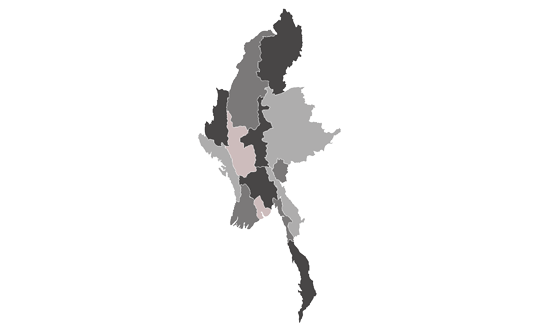


Nearly three months after a catastrophic earthquake struck Myanmar, the country continues to grapple with its aftermath alongside the brutal civil war which has devastated the country since the February 2021 military coup.
Myanmars spiralling human rights crisis fuelled by relentless military violence, systemic impunity and economic collapse has left civilians caught in the crossfire of an increasingly brutal conflict, according to a new report by the UN human rights office (OHCHR).
The UN refugee agency (UNHCR) on Friday released astatementexpressing grave concern over reports that two boats carrying Rohingya refugees sank off the coast of Myanmar earlier this month, with an estimated 427 people dead.
Since then, there has been no end to the violence, even though thousands have been killed and thousands more injured, saidUN Special Envoy to Myanmar,Julie Bishop, on Tuesday, briefing the General Assembly.
I have stressed consistently thatwithout a ceasefire, a de-escalation of violence and a focus on the needs of the people, there can be no inclusive lasting peace, she said.
Call for ceasefire
Having spoken with survivors among the rubble of homes, hospitals and schools, Ms. Bishop said they wanted the fighting to end so they could live in peace, as armed clashes continue to obstruct the aid and reconstruction effort.
Although some parties to the conflict have announced ceasefires, they have largely not been observed, she said.
Reiterating her call for an end to hostilities she said civilian protection must be the priority and inclusive and sustainable peace a shared goal.
Without and end to the violence she said Myanmar would continue on the path to self-destruction.
Contested elections
Ms. Bishop warned that unless there is an end to the violence and an inclusive and transparent electoral process, all that could result from any election which the junta is planning to contest would be greater resistance and instability.
It is inconceivable how an election could be inclusive, she said, with so many political leaders still being held by the regime.
Ms Bishop also reiterated the UNs call for the release of all arbitrary prisoners, including democratically elected leaders Win Myint and Aung San Suu Kyi.
Rohingyas plight
With up to 80 per cent living in poverty, the situation of the mostly Muslim Rohingya minority in both Myanmar and Bangladesh remains dire.
Caught in the crossfire between the Myanmar military and the Arakan Army, Rohingya civilians in their historic homeland of Rakhine State are being subjected to forced recruitment and other abuse.
As aid dwindles, Rohingyas living in Bangladeshs Coxs Bazar face real consequences, including cuts to food rations and education.
A viable future for Myanmar must ensure safety, accountability, and opportunity for all its communities, including Rohingya, and must address the root causes of conflict, discrimination and disenfranchisement in all its forms, said Ms. Bishop.