

In July 2024, famine was detected in the Sudans Zamzam IDP camp. In the following months, the official alert expanded to other camps in Darfur and Western Nuba Mountains. From December until now, famine has beenconfirmedin five other areas of the war-torn country. A further 17 areas are at risk.
The number of people experiencing catastrophic hunger has surged more than twofold in 2024, due largely to the ongoing conflicts in Gaza and Sudan, according to new figures released by the UN on Thursday.
Surviving on one meal a day and stretching out rapidly dwindling food rations have become a desperate reality in the Gaza Strip, where humanitarian aid has been blocked for nearly two months.
It is the first time since 2017 that a famine has beendeclaredanywhere on Earth.
In the 20 months since the war between rival militaries erupted, 13 million Sudanese have been forcibly displaced and over 30.4 million are in desperate need of humanitarian assistance, according to UN estimates.
The inhabitants of the Zamzam camp, like others in the Darfur region, have once again been displaced as extreme violence permeates every corner of the country.
In short, Sudan has quickly become one of the most severe food insecurity crises in history.
SoundcloudScar' of hunger
But in a year when the number of people experiencing acute food insecurity increased for the sixth consecutive year, Sudan is far from the only place marked by what the UN Secretary-GeneralAntnio Guterreshas called the scar of hunger.
According to the2025 Global Report on Food Crises, which was released Friday,over 295.3 million people in the 53 countries and territories selected for the report faced acute food insecurity, a number which amounts to 22.6 per cent of the population analysed.
The report is another unflinching indictment of a world dangerously off-course, the UN chief said.
A failure ofhumanity
The report identified 36 countries and territories which have had prolonged food crises, with80 per cent of their inhabitants facing high levels of food insecurity every year since 2016.
Moreover, the number of people facing catastrophic levels of food insecurity, as determined by the IPC standards, doubled between 2023 and 2024.
After years of recurring emergencies in the same contexts, its clear that business-as-usual is not working, the report concluded.
For the first time, theannual report also provided data on nutrition, estimating that37.7 million children aged 6-59 months experienced acute malnutritionin 26 countries.
Numbers like this do not emerge randomly, nor do they emerge in a vacuum. Rather, the report notes that this level of worldwide food insecurity is the result of multiple, intertwined factors.
No region is immune, with crises overlapping and interacting, eroding decades of development gains and leaving people unable to recover, the report said.
More than a systems failure
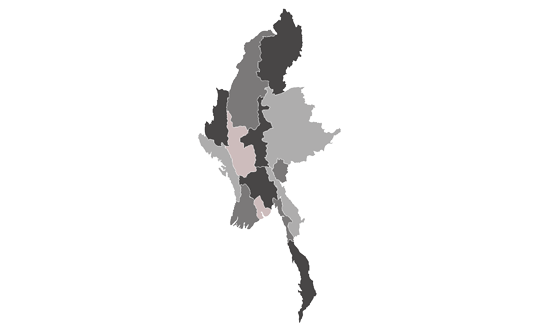
Increased conflict was one of the driving causes for increasing food insecurity in 2024, specifically in the Democratic Republic of Congo, Haiti, the Sudan, South Sudan, Myanmar and Palestine the Gaza Strip.
Gaza experienced the highest share of its population facing food insecurity, with 100 per cent of its inhabitants facing acute food shortages in 2024. Continued aid blockages since March 2025 have only worsened this insecurity.
The report also underlined the role that climate change plays in food shortages, pointing specifically to changing weather patterns which have impacted agriculture.
For example, the food situation in Sudan was worsened by low rainfall in 2024 while other parts of Southern Africa such as Namibia experienced crop failures due to flooding.
War, climate, economic shocks
Economic shocks, including inflation and projected trade wars, also played a large role in worsening food insecurity crises, especially in places like Syria where long-term systemic instabilities increased vulnerabilities to economic shocks.
The Secretary General emphasized, however, that food insecurity at this level cannot simply be explained by one cause.
This is more than a failure of systems it is a failure of humanity, he said.
New strategies, fewer funds
Recent funding shortages are projected to further exacerbate abilities to track and deal with food insecurity withfunding for food-based humanitarian initiatives expected to drop by 45 percent.
Cindy McCain, Executive Director of the World Food Programme (WFP), said that the funding shortages are impacting every aspect of food distribution, from decreasing the amount of foodWFPcan provide and the funding for transport to remote areas.
As things stand, I do not know if we will be able to keep our planes in the sky, Ms. McCain said.
Because recent funding cuts will negatively impact efforts to provide aid, the report underlined the importance of finding cost-efficient strategies which do more to invest in long-term community resilience and capacity development.
[Addressing the root causes of food insecurity] requires better alignment of humanitarian and development investments, and a shift from treating food crises as seasonal shocks to confronting them as systemic failures, the report said.
The UNPact for the Futureagreed in September 2024 dealt in part with the question of food insecurity in the 21st century, advocating for more resilient, inclusive and sustainable food systems.
Building on this, the Food and Agriculture Organization (FAO) is advocating for expanded investment in sustainable agriculture, which is four times more cost-effective than direct food assistance but only accounts for three percent of humanitarian funds.
AtFAO, we know that agriculture is one of the most powerful yet underused tools we have to curb food insecurityAgriculture can be the answer, said Rein Paulsen, Director of FAOs Office of Emergency and Resilience.
Hunger is indefensible
In his video message on the report,the Secretary-General said thatthe Second UN Food Systems Summit Stocktake, which will be held in July in Addis Ababa, is an opportunity for the international community to work collaboratively towards addressing the challenges laid out in the GRFC report.
Hunger in the 21st century is indefensible. We cannot respond to empty stomachs with empty hands and turned backs, he said.
Soundcloud