

Md Tariqul Islam Tanvir and Shafi Md Motofa
Download PDF
Mar 27 2025
1
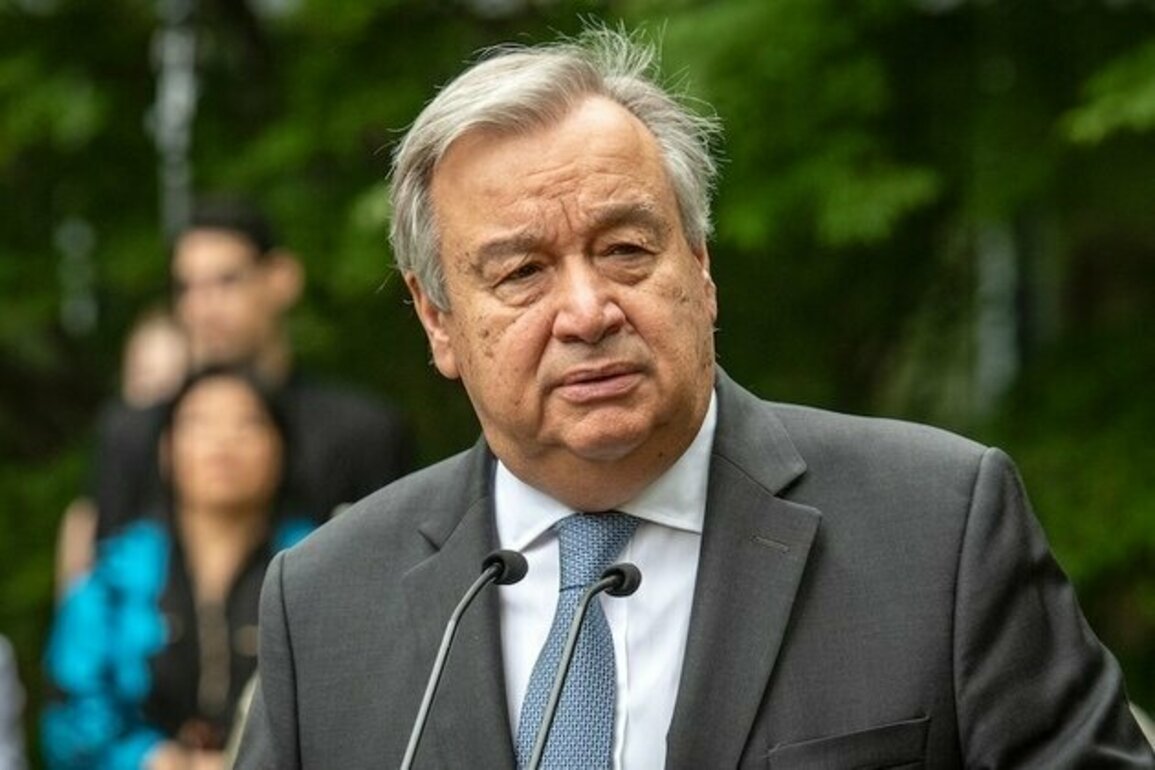
viewsRichard Juilliart/ShutterstockThe recentfour-day visitof United Nations Secretary-General Antnio Guterres to Bangladesh marks a pivotal moment for the nation on multiple fronts. Amidst a complex geopolitical landscape and internal transitions, Guterres presence underscores the international communitys commitment to addressing critical issues facing Bangladesh. His visit is particularly significant for three reasons: securing support for Rohingya refugees amid U.S. aid cuts, bolstering the interim governments image and reform agenda, and countering Indias anti-Bangladesh propaganda. These outcomes highlight the visits diplomatic and humanitarian importance, positioning Bangladesh as a key player in regional stability and global humanitarian efforts.
The Rohingya refugee crisis remains one of the most pressing humanitarian challenges of our time. Since 2017, overa million Rohingya Muslimshave fled persecution in Myanmar, seeking refuge in Bangladesh. The Coxs Bazar refugee camps, now the largest in the world, house a vulnerable population that relies almost entirely on international aid for survival. However, recent cuts in humanitarian assistance have exacerbated the crisis. The U.S., under the Trump administration, significantlyreduced aidto Rohingya refugees, and the World Food Program (WFP) announced a halving of food rations due to funding shortfalls. This reduction,from 12.50 to 6 USD perperson per month, has dire consequences, withchild malnutritionrates soaring and living conditions deteriorating rapidly.
Against this backdrop, Guterres visit to the Rohingya camps in southern Bangladesh serves as a beacon of hope. His historic iftar speech at a refugee camp not only highlighted the plight of the Rohingya but also reaffirmed the UNs commitment to their cause. We cannot allow the world to forget about the Rohingyas,Guterres declared, vowing to speak loudly to global leaders about the urgent need for increased support. His presence refocused international attention on the crisis, reminding the world that humanitarian aid must remain a priority even as new conflicts emerge. By leveraging his platform, Guterres has galvanized efforts to secure funding and resources for the refugees, ensuring that their basic needs are met and their dignity preserved.
The Secretary-Generals visit also underscores the importance of collective action. With95% of Rohingya householdsdependent on humanitarian assistance, the international community must step up to fill the gap left by U.S. aid cuts. Guterres advocacy has the potential to mobilize donor countries and organizations, ensuring that the Rohingya crisis remains on the global agenda. His visit is not just a symbolic gesture but a call to action, urging nations to uphold their moral and humanitarian obligations.
Guterres visit also holds immense significance for Bangladeshs interim government, which has been navigating a delicate transition following the fall of the Hasina regime. The interim administration, led by Chief Adviser Muhammad Yunus, has embarked on an ambitious reform agenda aimed at addressing systemic issues in governance, administration, and the electoral process. These reforms, demanded by the students and civilians who led the popular uprising, are critical for ensuring a sustainable and equitable future for Bangladesh.
During his meeting with Yunus, Guterresexpressed full supportfor the reform process, stating, I want to express our total commitment to the reform process. We are here to support your reforms. We wish you all the best. Whatever we can do, let us know. This endorsement is a significant diplomatic win for the interim government, as it reinforces its credibility on the global stage. By aligning itself with the UN, the interim administration gains legitimacy and recognition, which can encourage other international organizations and donor countries to provide financial aid, technical assistance, and diplomatic cooperation.
Guterres supportsends a strong message to the Bangladeshi people, assuring them that the international community stands behind their aspirations for a more democratic and transparent government. This backing strengthens Yunus position and enhances the prospects of a successful transition, paving the way for long-term stability and development. In a region often plagued by political instability, Bangladeshs reform efforts, supported by the UN, could serve as a model for other nations undergoing similar transitions.
The visit also serves as a strategic counter toIndias anti-Bangladesh propaganda, which has sought to delegitimize the interim government. Since the fall of the Hasina regime, India has raised concerns about theprotection of minority rightsin Bangladesh, often amplified by its media. Indian outlets,ranked highestfor the risk of misinformation and disinformation, have spread false narratives exploiting sensitive issues such as minority rights. These efforts have not only undermined the interim governments credibility but also strained bilateral relations.
Guterres visit has shifted the dynamics. By expressing solidarity with the interim government and offering assistance, the UN Secretary-General has bolstered Bangladeshs position on the global stage. His endorsement challenges Indias narrative, highlighting the international communitys support for the interim administration and its reform agenda. This show of support creates tension for the Indian government, as it undermines its attempts to isolate Bangladesh diplomatically. Furthermore, Guterres visit underscores the importance of fact-based diplomacy in countering propaganda. By aligning with the UN, Bangladesh has gained a powerful ally in its efforts to combat misinformation and present an accurate portrayal of its political and humanitarian efforts. This alignment not only strengthens Bangladeshs international standing but also fosters a more constructive dialogue with its neighbors, promoting regional stability and cooperation.
The UN Secretary-Generals visit serves as a reminder of the power of international solidarity in addressing humanitarian crises, fostering democratic transitions, and combating misinformation. As Bangladesh continues its journey towards stability and prosperity, the UNs support will remain a cornerstone of its progress, ensuring that the nations challenges are met with resilience, dignity, and hope.
Further Reading on E-International Relations
- Opinion Sovereignty First: US Support on Bangladeshs Terms
- Opinion Bangladesh at the Centre of Australias Focus on the South
- Opinion The Path Forward for Bangladesh
- Opinion Rethinking the Precarity of the Hindu Minority in Bangladesh
- Opinion The Future of the Bangladesh Awami League
- Opinion Injustice Paves the Way for Revolution: Lessons from Bangladesh
About The Author(s)
Md Tariqul Islam Tanviris an Erasmus scholar in the International Master in the Central & East European, Russian & Eurasian Studies program at the University of Glasgow.
Shafi Md Mostofais Associate Professor at the University of Dhaka, Bangladesh, Post-Doctoral Fellow at the Democracy Institute of Central European University, Hungary and Adjunct Lecturer at the University of New England, Australia.
TagsBangladesh